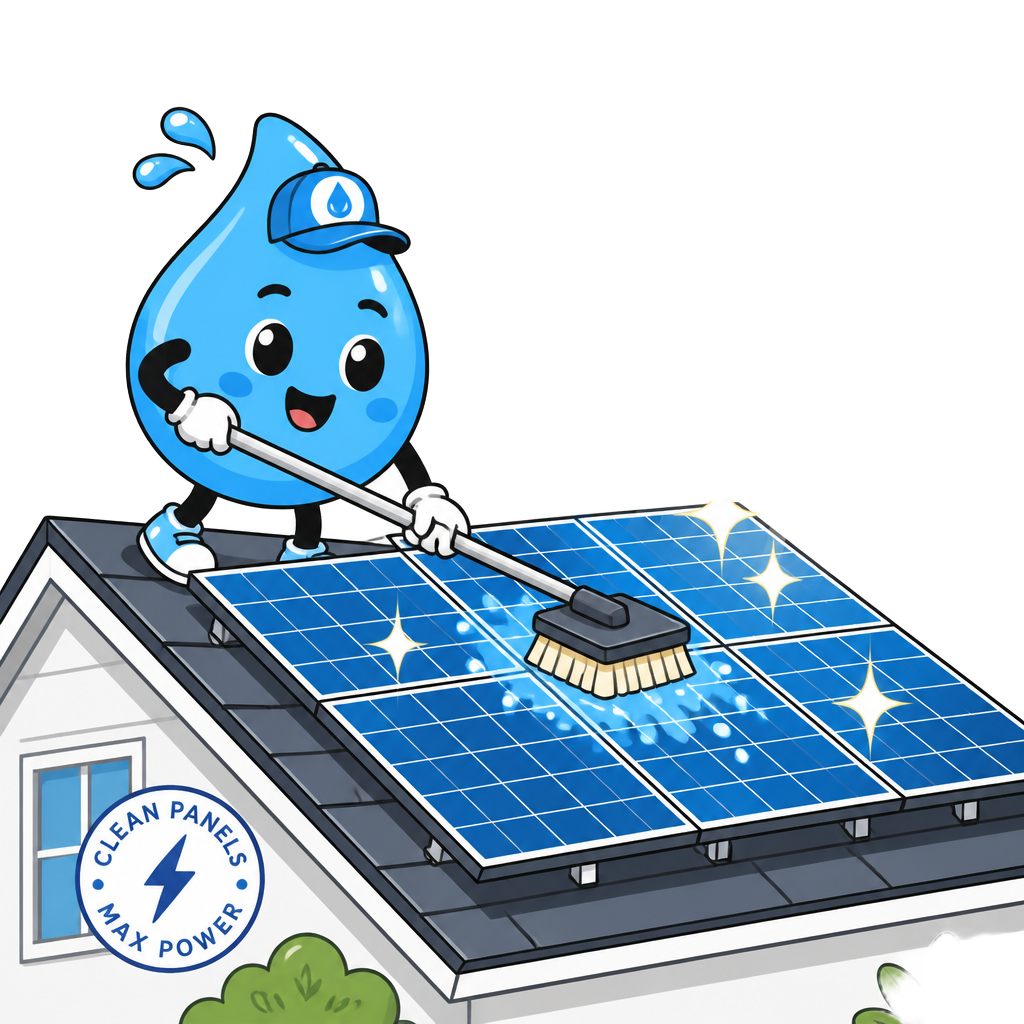
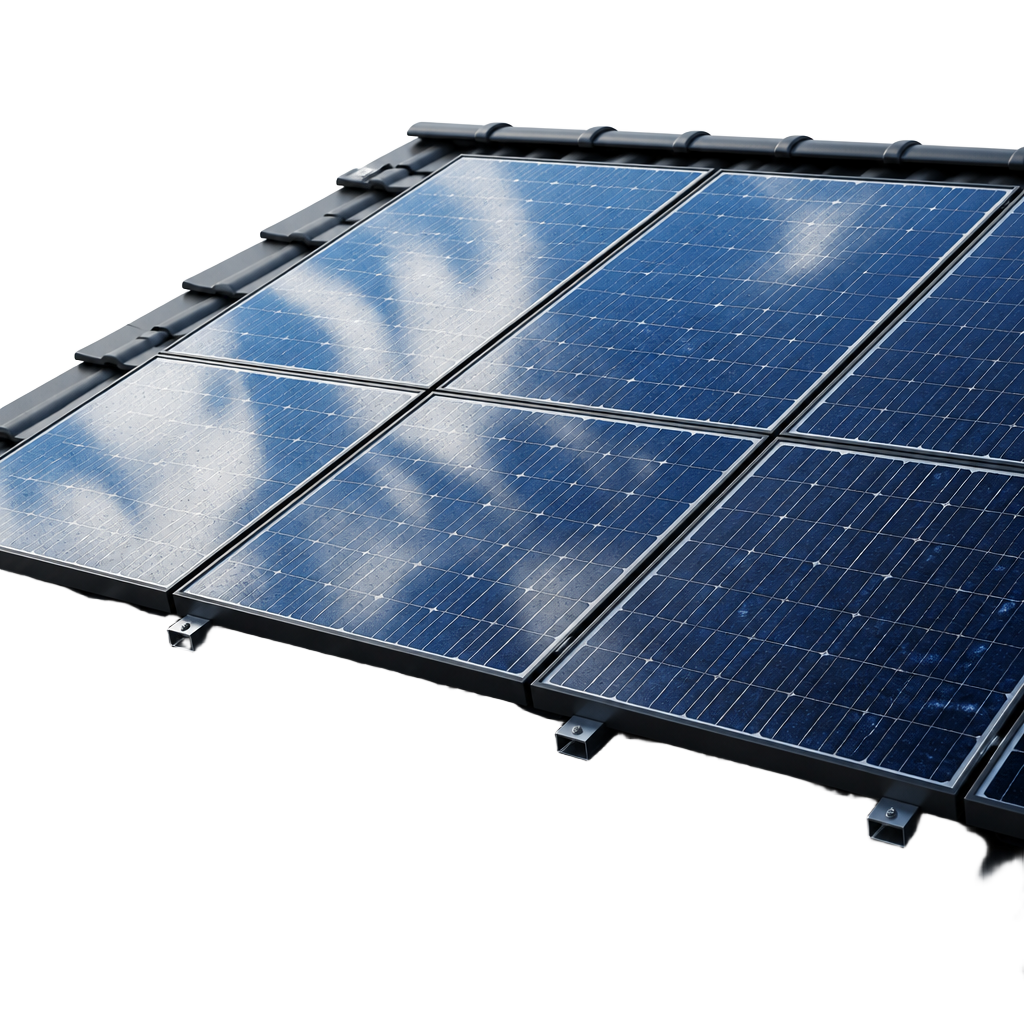
Soft brush, pure water, zero detergent
Solar Panel Cleaning
Greater AdelaideSolar Panel Cleaning Adelaide: Soft Brush, Pure Water, Real Output Recovered
Adelaide's dust, pollen, bird droppings and coastal salt film settle on panels fast and quietly cut into your feed-in return. We clean with a soft brush and pure water only, the method solar manufacturers actually recommend, so your system gets back to producing without any risk to your warranty.
Soft brush, pure water, zero detergent
CEC-aligned method, warranty stays intact
Roof-anchored, fully insured technicians
Morning cool-panel scheduling for safety
Designed for the way Adelaide homes weather.
Built for how our climate actually treats your walls, roof and glass. Not a generic pressure clean.
Every visit. Every time.
A fixed scope written into your quote. No add-ons on the day.
CEC-aligned method, warranty stays intact
Roof-anchored, fully insured technicians
Morning cool-panel scheduling for safety
Before and after output check included
Bundle with roof and gutter cleaning
Everything worth knowing.
Straight answers, no fluff. Read what applies to your home, skip what doesn't.
How Much Output Are Dirty Panels Really Losing You
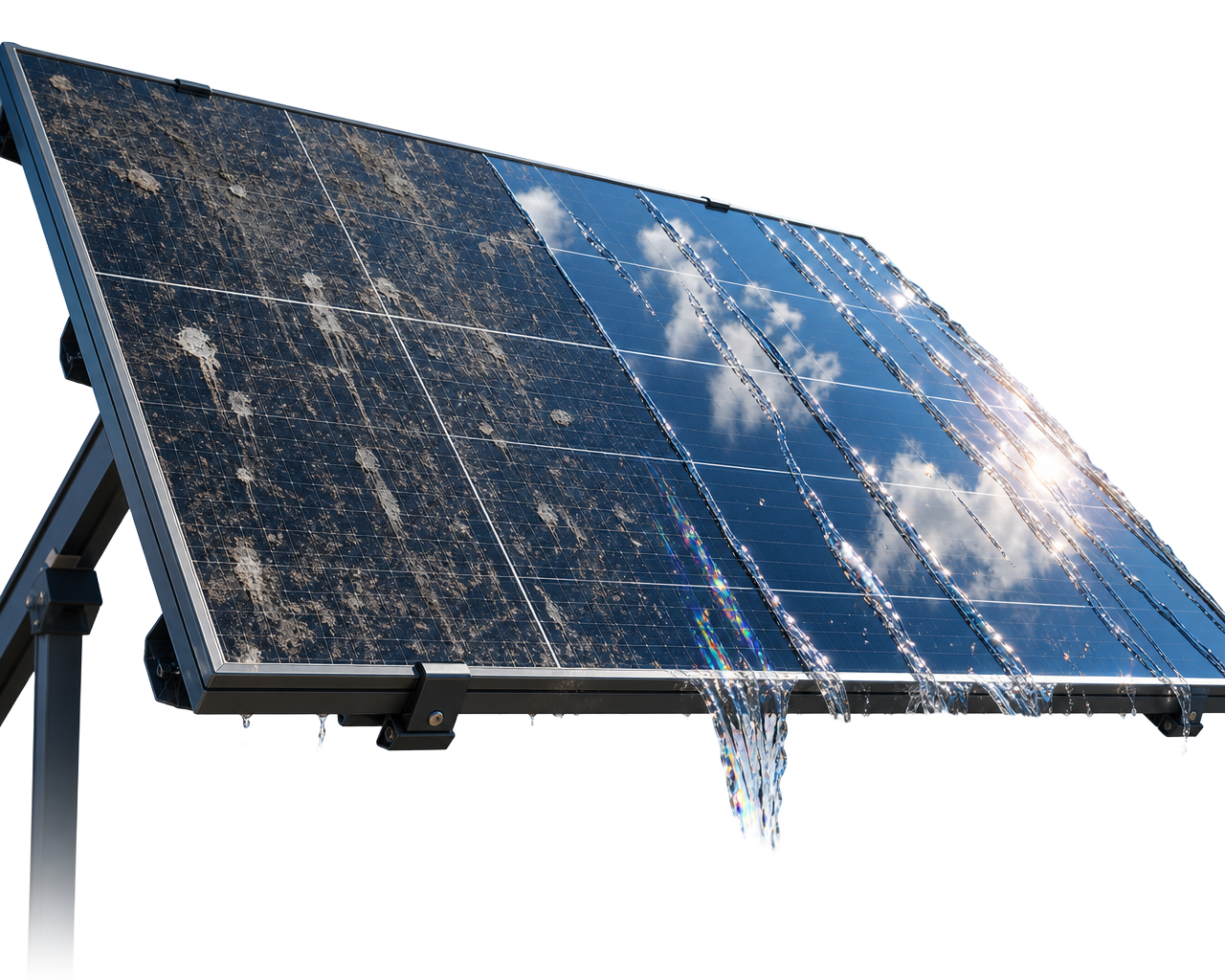
Soiling losses on Australian residential solar systems typically sit between 5 and 15 percent of expected output, and studies from CSIRO and university solar research groups have recorded losses above 20 percent on panels left uncleaned for two years or more in dusty or coastal areas. A single season of Adelaide pollen, dust and bird activity is enough to knock several percent off daily generation, and that loss compounds every sunny day the panels stay dirty. Because the drop happens gradually, most homeowners never notice it on their inverter app, they just notice a power bill that seems higher than it should be given how sunny the year has been. A 6.6kW system losing even 8 percent of output over a year can mean hundreds of dollars in lost feed-in credit and higher grid draw. Cleaning restores that output almost immediately, and for most Adelaide homes the return on a single clean pays for itself within a few months through improved generation and reduced import from the grid.
Why Adelaide Panels Get Dirty Faster Than Most Cities
Adelaide's climate throws several soiling sources at solar arrays at once. Coastal suburbs from Brighton to Outer Harbor get a fine salt film carried on sea breeze that dries hard and hazy on glass. The drier northern and outer-southern growth corridors carry more dust and construction grit. Spring brings jacaranda, pollen and wattle dust across almost every suburb, coating panels in a sticky film that ordinary rain will not fully rinse away. Add in bird droppings, which are acidic and can etch glass if left for weeks, along with sap and leaf litter from Adelaide's tree cover in leafier suburbs like Crafers or Stirling, and you get a build-up that is genuinely different from drier, less coastal Australian cities. This is why we tailor cleaning frequency by suburb type rather than applying one blanket schedule to every Adelaide home.
Why We Never Use Pressure Washers, Detergent Or Tap Water
Most solar panel manufacturer warranties explicitly exclude damage caused by high-pressure water, abrasive tools or chemical cleaners, and several will void a warranty outright if a claim shows evidence of pressure washing on the glass or frame seals. Pressure jets can force water past the frame seal into the junction box, causing corrosion and micro-cracks in the cells that are not visible until output starts dropping months later. Detergents and household cleaning products can leave a residue film that actually attracts more dust, and they can degrade the anti-reflective coating on the panel glass over time. Tap water, particularly Adelaide's harder supply in some pressure zones, leaves mineral spotting once it dries in the sun, which then needs an extra clean to remove. We avoid all three, which is precisely what keeps your manufacturer warranty valid if you ever need to make a claim.
Our Method: Soft Brush And Deionised Pure Water
We use a soft, non-abrasive brush head on an extendable pole system paired with deionised pure water fed through a water-fed pole. Deionised water carries no dissolved minerals, so it lifts dust and grime without leaving spots, streaks or mineral deposits once it dries, meaning no final wipe or squeegee pass is needed. The soft bristles are safe on both the tempered glass surface and the anti-reflective coating, removing bird droppings, sap, pollen and dust film without scratching. This is the method recommended by the Clean Energy Council and by panel manufacturers including Jinko, Trina and REC, and it is the same standard used for commercial solar farms across South Australia. The result is a genuinely spot-free, streak-free finish that restores light transmission to the cells without any of the warranty risk that comes with pressure washing or chemical products.
How Often Adelaide Panels Need Cleaning By Area
Coastal and beachside suburbs including Henley Beach, Glenelg, Brighton and the western beach suburbs generally need a clean every 6 to 9 months due to constant salt film build-up. Inner and middle-ring urban suburbs with moderate traffic pollution and pollen exposure, such as Salisbury, Lockleys and Norwood, typically do well on an annual clean. Rural and semi-rural fringe areas like Gawler, Aldinga and parts of the Adelaide Hills foothills often carry heavier dust loads from unsealed roads and agriculture, and benefit from a clean every 6 to 8 months. Homes under large trees anywhere in Adelaide should also be checked more frequently regardless of suburb, since sap and leaf debris accelerate soiling well beyond the general area average. We assess your roof orientation, tilt angle and surroundings during quoting so the schedule we recommend actually matches your property rather than a generic citywide rule.
Why We Clean In The Cool Of The Morning
Solar panel glass can reach temperatures well above 60 degrees Celsius on a sunny Adelaide afternoon, and applying cool water to hot glass creates thermal shock risk, which can cause micro-cracking in the cells or seal damage over time. It also means water evaporates almost instantly in full sun, leaving mineral spotting behind even with pure water. We schedule cleans for early morning, generally before 10am, when panels are cool and the water has time to lift grime properly before evaporating. This timing also reduces glare and heat exposure for our technicians working on the roof, and it means your system is back to full clean-panel output for the strongest generation hours of the day rather than losing part of the afternoon to a mid-day service visit.
Roof Safety, Anchoring And Insurance
Rooftop solar cleaning carries real fall risk, and we treat every job with the same safety standard regardless of roof pitch or height. Our technicians use certified anchor points and harness systems in line with Australian Standard AS/NZS 1891 fall arrest requirements, along with edge protection and non-slip footwear rated for tiled and metal roofing. We carry full public liability insurance, and every technician is briefed on panel layout and cable routing before stepping onto the roof to avoid disturbing DC isolators or micro-inverter connections. Adelaide's mix of steep Federation rooflines, terracotta tile, Colorbond and skillion roofs each need a slightly different approach to safe movement and equipment anchoring, and we assess this on every quote rather than sending a one-size-fits-all crew.
Keeping Your Solar Warranty And CEC Compliance Intact
Solar panel warranties, and in some cases your Small-scale Technology Certificate eligibility documentation, can hinge on maintenance being carried out in line with manufacturer guidelines. Using pressure washers, wire brushes or non-approved chemicals is one of the most common reasons a warranty claim gets rejected, because the damage pattern is visible under inspection. Our soft brush and pure water method aligns with Clean Energy Council best practice guidance for solar system maintenance, and we can provide a service record after each clean showing the date, method and technician details. This documentation is useful if you ever need to demonstrate proper system care to your installer, your panel manufacturer, or a future buyer during a property sale, since a documented maintenance history can support a smoother warranty transfer.
Before And After Output Checks
Wherever access to your inverter app or monitoring portal is available, we check your generation figures before we start and again after the clean so you can see the actual output improvement rather than just taking our word for it. On a clear day, an improvement of several percent is common straight after a clean, particularly on systems that have not been serviced in over a year. If your system has an older inverter without live monitoring, we can still give you a visual before and after comparison of panel clarity, and we always flag anything unusual we spot during the clean, such as a cracked panel, corroded connector or loose mounting, so you can get it looked at before it becomes a bigger problem.
Bundle With Roof And Gutter Cleaning
Since we are already on the roof with anchoring set up, it makes sense to combine your solar clean with a full roof wash or gutter clean in the same visit. Gutters clogged with leaves and sediment sit right below your panels and often overflow onto roof sheeting, contributing to the same grime that ends up back on your solar array after the next rain. A combined roof, gutter and solar clean reduces the total call-out cost compared to booking each service separately, and it means your whole roofline, not just the panels, is dealt with in one appointment. This is a popular option for homes in leafy suburbs where gutters and panels both need attention on a similar cycle.
Bird Proofing Add-On For Recurring Nesting Problems
If pigeons, mynas or possums keep nesting under your panels, cleaning alone will not solve the underlying problem, since droppings and nesting material will simply build back up within weeks. We offer solar bird proofing as an add-on to any clean, installing a mesh skirt around the perimeter of the array that blocks birds from getting underneath while still allowing normal airflow for panel cooling. This is particularly common on tiled roofs and flat-mount arrays where the gap under the panel edge is large enough for birds to access. Bird proofing is a one-off installation rather than a recurring cost, and it typically eliminates the need for more frequent cleaning caused specifically by nesting activity, protecting both your panels and your roof cavity from droppings and debris.
Built on standards. Backed by cover.
Insured
Full public-liability cover
Every job, every crew. Certificate on request.
Standard
5.0
Across 100+ reviews
Google-verified. Real Adelaide homes, real ratings.
Rated · Google Reviews
Metro-wide
Western beaches to growth corridors
One team, covering all of Greater Adelaide end-to-end.
Coverage · 50+ suburbs
Answers before you ask.
How much output can dirty solar panels really lose in Adelaide?+
Most Adelaide homes lose somewhere between 5 and 15 percent of expected output to soiling over a year, though coastal salt film, heavy pollen seasons or bird nesting can push that higher. Studies on uncleaned residential arrays have recorded losses above 20 percent after extended periods without cleaning. Because generation loss is gradual, it rarely shows up as an obvious fault, it just shows up as lower than expected export credits or higher grid usage over time. A clean typically restores output within a day, and on systems that have gone over 12 months without a service the improvement is often noticeable on your inverter app the same afternoon.
Will cleaning my solar panels void the manufacturer warranty?+
Cleaning itself does not void your warranty, but the method used absolutely can. Pressure washers, wire brushes, abrasive pads and chemical detergents are commonly excluded or flagged as damage risks in manufacturer terms, and using them can leave evidence that voids a future claim. Our soft brush and pure water method is the approach aligned with Clean Energy Council guidance and manufacturer recommendations from brands including Jinko, Trina and REC. We can also provide a service record after each clean, which is useful documentation if you ever need to demonstrate proper maintenance history to your installer or manufacturer.
How often should solar panels be cleaned in Adelaide?+
It depends on your suburb and surroundings. Coastal properties from Brighton to the western beach suburbs generally need cleaning every 6 to 9 months due to salt film. Inner and middle-ring suburbs with average pollen and pollution exposure typically do well on an annual clean. Rural and semi-rural fringe areas with dust from unsealed roads or agriculture often need a clean every 6 to 8 months. Homes under large trees should be checked more often regardless of location, since sap and leaf debris build up faster than general area averages suggest.
Why do you clean panels in the morning instead of during the day?+
Panel glass can exceed 60 degrees Celsius in direct afternoon sun, and applying water to hot glass risks thermal shock, which can contribute to micro-cracking or seal damage over time. Water also evaporates far too quickly on hot glass in full sun, which leaves spotting behind even with pure water. Cleaning in the cool of the morning, generally before 10am, avoids both issues, gives the water time to properly lift grime, and gets your system back to full output before the strongest generation hours of the day begin.
Is it safe to clean solar panels with tap water or a garden hose?+
Tap water contains dissolved minerals that leave visible spotting once the water dries in the sun, particularly noticeable on dark solar glass. A garden hose also lacks the pressure and reach to properly lift stubborn grime, sap or bird droppings, and manual scrubbing with an unsuitable brush can scratch the anti-reflective coating. Our method uses deionised pure water through a water-fed pole system, which leaves no mineral residue and works with a soft brush designed specifically for solar glass, giving a genuinely spot-free finish without any scratching risk.
Can you clean solar panels and gutters in the same visit?+
Yes, and it is one of our most popular bookings. Since our technicians are already anchored and working at roof height for a solar clean, adding a full roof wash or gutter clean to the same appointment is efficient and reduces the total cost compared to booking each service separately. This is especially useful in leafy Adelaide suburbs where clogged gutters sit directly beneath solar arrays and contribute to the grime that ends up back on your panels after rain. Ask for a bundled quote when you book and we will assess all areas during the same site visit.
One crew. Whole exterior.
Bundle any of the below with your quote. One visit, one invoice, sharper price.
House WashingSoft-wash render, brick, weatherboard and Hardie.Roof TreatmentKill moss, lichen and algae at the root.Roof CleaningSoft-wash clean for tile and Colorbond roofs.Gutter CleaningHand-cleared. Downpipes flushed. Flow verified.Driveway CleaningSurface-cleaner pressure wash for concrete and pavers.Window CleaningPure water pole outside, hand-squeegee inside.
Servicing your suburb.
Regular runs from the western beaches through the inner east and out to the northern and southern growth corridors.
- Burnside
- Walkerville
- Medindie
- Gilberton
- North Adelaide
- Prospect
- Henley Beach
- Grange
- Semaphore
- Largs Bay
- West Lakes
- Tennyson
- Outer Harbor
- Norwood
- Kent Town
- Stepney
- Hackney
- Stirling
- Aldgate
- Bridgewater
- Glenelg
- Somerton Park
- Brighton
- Seacliff
- Hallett Cove
- Marion
- Kensington
- Henley Beach South
- Unley
- Hazelwood Park
- Toorak Gardens
- Parkside
- Erindale
- Adelaide CBD
- Bowden
- Croydon
- Brompton
- Mile End
- Richmond
- Torrensville
- Dulwich
- Woodville
- Thebarton
- Hindmarsh
- Port Adelaide
- Alberton
- Findon
- Fulham
- Lockleys
- Kidman Park
- Flinders Park
- Modbury
- Golden Grove
- Tea Tree Gully
- Ingle Farm
- Greenwith
- Athelstone
- Salisbury
- Gawler
- Munno Para
- Andrews Farm
- Angle Vale
- Elizabeth
- Virginia
- Two Wells
- Mount Barker
- Nairne
- Aberfoyle Park
- Morphett Vale
- Noarlunga
- Aldinga
- Seaford
- Blackwood
- Mitcham
- Christies Beach
- Edwardstown
- Plympton
- Glandore
Suburb not listed? We still service it, send a request and we'll confirm the next available slot in your postcode.
Book your clean.
Send a request. We reply with your quote, usually within minutes.