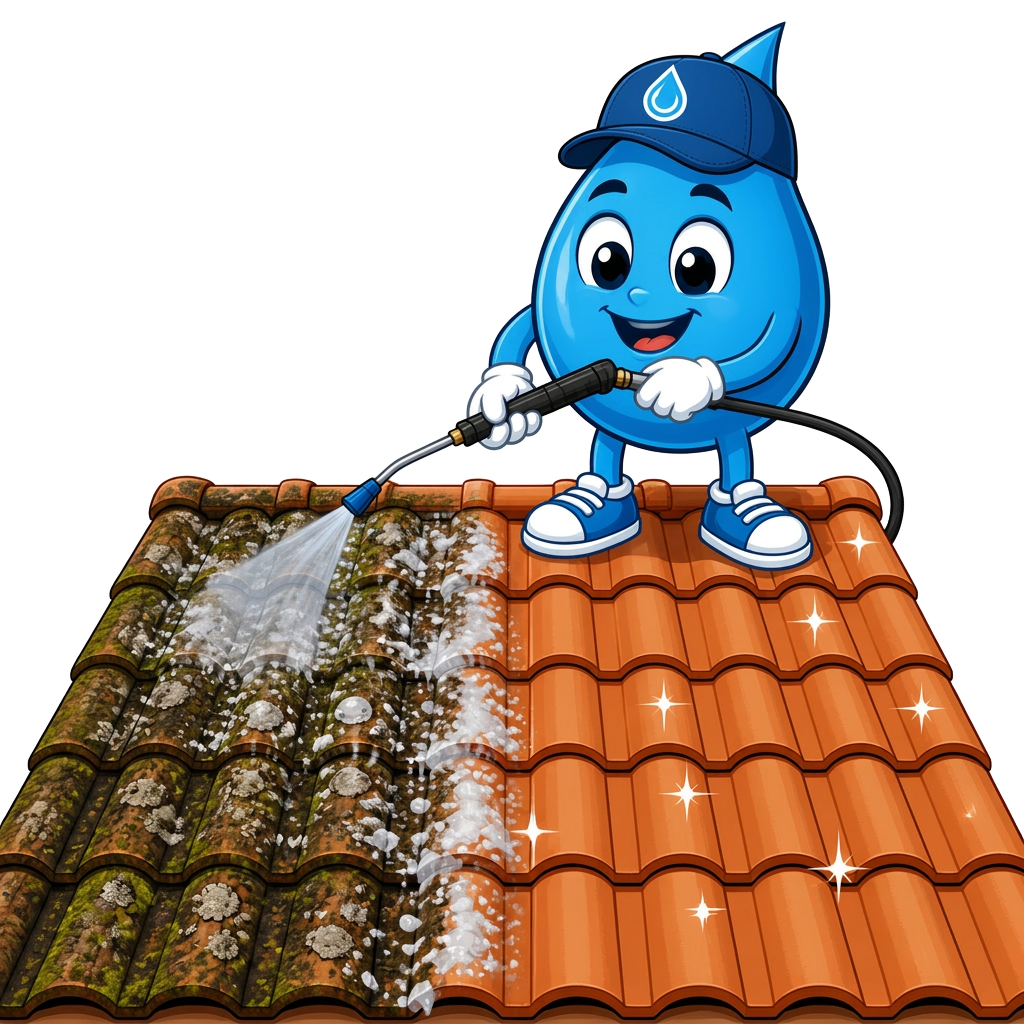
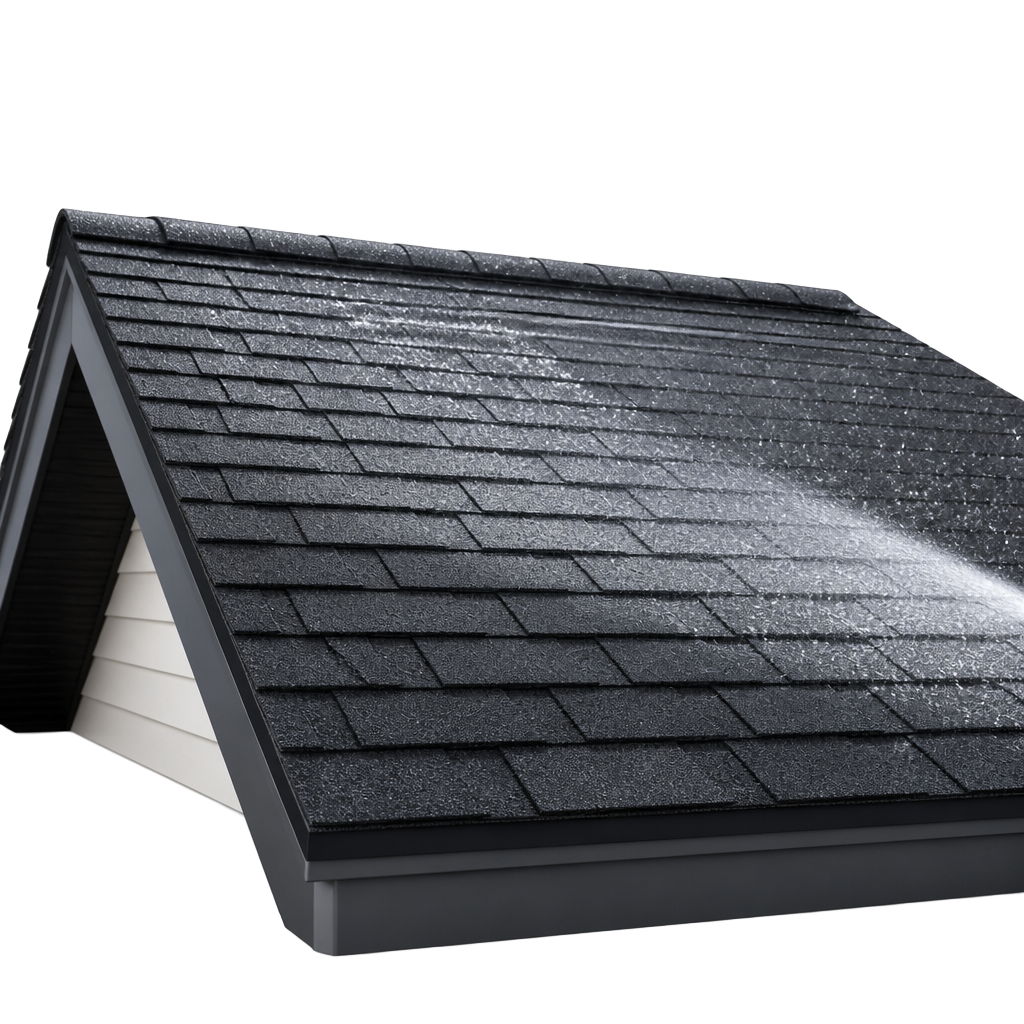
Kills moss, lichen and algae roots
Roof Treatment
Greater AdelaideRoof treatment that kills moss and lichen at the root, not just off the surface
Adelaide House Washing applies a soft-wash biocide treatment that gets into the roof surface and kills growth at the root, without high pressure or rinsing. It is the difference between a roof that looks clean for a season and one that stays clean for years.
Kills moss, lichen and algae roots
Safe on tile, Colorbond and cement
No high pressure used ever
Gutter and plant runoff protected
Designed for the way Adelaide homes weather.
Built for how our climate actually treats your walls, roof and glass. Not a generic pressure clean.
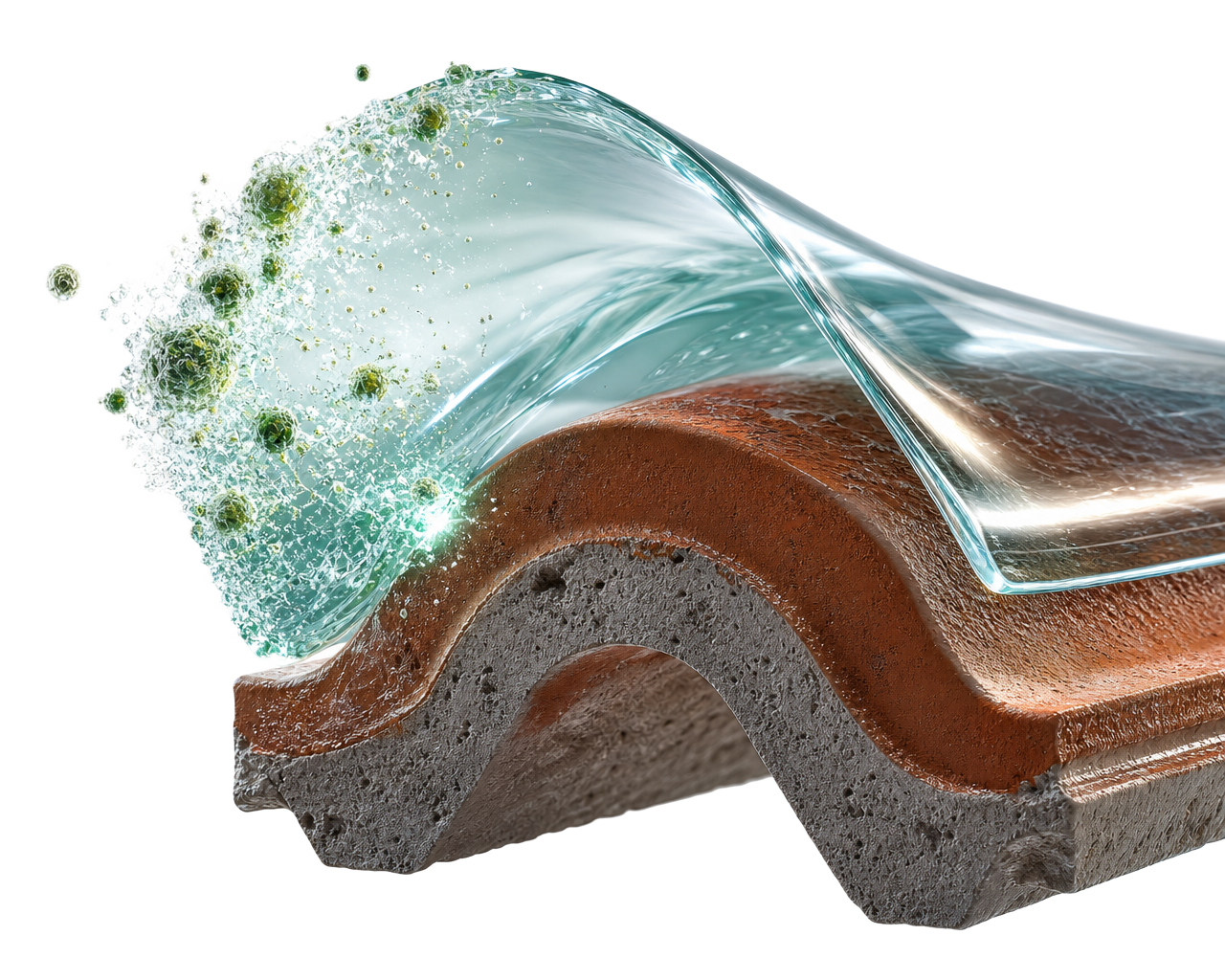
Every visit. Every time.
A fixed scope written into your quote. No add-ons on the day.
Safe on tile, Colorbond and cement
No high pressure used ever
Gutter and plant runoff protected
Fully insured Adelaide technicians
Written treatment result guarantee
Everything worth knowing.
Straight answers, no fluff. Read what applies to your home, skip what doesn't.
Treatment versus cleaning: know the difference
Roof cleaning removes what you can see. Roof treatment kills what is growing underneath. A pressure clean strips moss and lichen off the surface, which can look great for a few months, but the roots and spores are often still embedded in the tile or coating, so growth returns quickly. Roof treatment uses a biocide solution applied by soft wash that penetrates the organic growth, kills it at the root, and leaves it to die back and weather away naturally over the following weeks. Many Adelaide roofs actually need both, a treatment to kill the growth and a gentle rinse to remove the dead material and residue. We assess your roof and tell you honestly which one, or both, you actually need, rather than upselling a full pressure clean when a targeted treatment will do the job better and safer.
Why Adelaide roofs grow moss and lichen so fast
Adelaide's climate is close to perfect for lichen and moss. Wet, cool winters, regular rainfall, and mild shoulder seasons mean roof surfaces rarely dry out fully, especially on south-facing pitches that get little direct sun. Suburbs with heavy tree cover, like the Adelaide Hills, the foothills, and pockets of the western suburbs, see constant leaf litter and shade that keep tiles damp for days after rain. Coastal suburbs add salt-laden moisture to the mix, which lichen and black algae both thrive on. We see the same pattern across hundreds of Adelaide roofs, moss establishes first in shaded valleys and under overhanging branches, then spreads across the whole roof plane if left untreated for a couple of years. Understanding this pattern is why we don't just treat the visible patches, we treat the full roof so we get ahead of the growth before it spreads back into the areas already cleared.
The chemistry behind the treatment
Our roof treatment uses a controlled sodium hypochlorite based biocide solution, blended with surfactants that help the mixture cling to and penetrate angled tile and metal surfaces rather than running straight off. The surfactant breaks the surface tension of the treatment so it wets into the moss cushion and lichen crust instead of beading up, which is what actually gets the biocide down to the root structure rather than just the visible growth on top. Dilution rates and dwell time are adjusted for the roof material and the severity of growth, a heavily mossed terracotta roof in Crafers needs a different mix strength to a lightly lichen-affected Colorbond roof in Brighton. This is not a generic supermarket spray, it is a commercial-grade solution applied at the correct concentration for the job, which is why the kill is reliable and long lasting rather than a temporary discolouration of the moss.
Tile roofs, Colorbond and cement each need a different approach
Terracotta and concrete tile roofs are porous, so treatment can sit in the surface and work into embedded lichen without risk of damage, but we still avoid glazed or painted tiles being scrubbed or blasted, since that strips the protective coating and accelerates future growth. Colorbond and other metal roofs need a much softer approach, correct dilution and shorter dwell time, since the coating can be damaged by excessive chemical strength or by anyone using a wire brush or scraper to remove lichen manually. Cement and fibre cement roofs sit somewhere between the two, absorbing treatment well but needing careful rinsing of runoff to avoid staining. We match the biocide mix, dwell time and application method to your specific roof material every time, which is a big part of why our results hold up rather than fading back to green within a year.
Why we never use high pressure for treatment
High pressure water on a roof is one of the fastest ways to void a roof warranty and cause long term damage. On tile roofs, pressure blasts strip the protective granule coating and can crack or lift tiles, especially older terracotta. On Colorbond, pressure can drive water under sheeting and damage the paint finish, leading to rust down the track. Roof treatment is deliberately a low pressure, chemical-led process, the biocide does the work, not force. This is gentler on your roof and, importantly, it is the approach that actually kills growth at the root rather than temporarily knocking it off the surface. If your roofer or a previous cleaner has recommended pressure washing your roof, that is a strong sign they were offering a cosmetic clean rather than a genuine treatment.
Protecting your gutters, garden and stormwater
Any chemical roof treatment needs proper runoff control, and this is where a lot of DIY attempts and unlicensed operators get it wrong. Before we start, we flush and cover downpipes where needed and identify where runoff will land in your garden. We use a treatment concentration that is effective on the roof but far more dilute by the time it reaches plants, and we pre-wet sensitive garden beds with fresh water to dilute any overspray further. Adelaide Water and local council rules also matter here, wash and treatment runoff should not be directed straight into stormwater drains carrying concentrated chemical residue. We manage this properly on every job, which protects your garden, your neighbour's fence line, and the local waterway, and it is one of the reasons homeowners in bushland-adjacent suburbs like Aldgate and Stirling specifically choose a licensed operator over a backyard sprayer.
What to expect after treatment: the dieback timeline
Roof treatment does not give an instant transformation, and any operator who promises one is describing a rinse, not a treatment. After application, the biocide needs time to work through the moss and lichen structure. You will typically see the growth start to change colour within the first week, moving from green or grey to brown and black as it dies. Full dieback and natural weathering away usually takes two to six weeks, depending on rainfall, sun exposure and how heavy the original growth was. Rain actually helps this process along by washing dead material off gradually. If you want the dead moss and lichen removed immediately for appearance, that is where a gentle rinse or soft wash clean after the dieback period comes in, and we can schedule that as a follow-up visit.
How long the results last and what we guarantee
A properly applied biocide treatment on an Adelaide roof typically keeps moss and lichen from re-establishing for twelve to twenty four months, depending on the roof's exposure to shade, tree cover and moisture. South-facing pitches under trees in leafy suburbs will need more frequent attention than an open, sun-exposed roof in a coastal suburb with good airflow. We back our treatment with a written result guarantee, if the treated growth has not died back within the expected timeframe, we return and address it at no charge. This is different to vague satisfaction promises, it is a specific commitment tied to the biological result of the treatment, because that is what you are actually paying for.
Safety, insurance and working at height
Roof treatment involves working at height with chemical solutions, and it needs to be done by people who are trained and covered for both. Our technicians hold full public liability insurance and use proper roof access equipment, harnesses and anchor points rather than relying on ladders propped against gutters. We also handle sodium hypochlorite solutions with correct personal protective equipment and follow safe mixing and application procedures, because concentrated biocide is not something to be casual with. Before booking any roof treatment in Adelaide, it is worth asking directly whether the operator is insured for height work and what safety data sheets they use for the chemicals applied, a legitimate operator will answer both without hesitation.
When to combine treatment with a full clean
Treatment and cleaning solve different problems, and the right combination depends on your goals and timeline. If your roof has heavy years-old moss buildup and you want it looking clean now, we recommend a soft wash clean to remove the bulk of the dead and living material, followed by treatment to kill any remaining root growth so it does not simply regrow in the same spots within months. If your roof looks reasonably tidy but has early lichen spotting or you are preparing for a sale or a solar panel install, treatment alone is often enough, since it stops growth in its tracks without the cost of a full clean. We will always tell you which combination suits your specific roof rather than defaulting to the most expensive option.
How often Adelaide roofs need re-treatment
Most Adelaide homes do well with a roof treatment every one to two years, but this varies significantly by suburb and roof orientation. Heavily shaded roofs under established trees, common in areas like Crafers, Stirling and parts of the southern suburbs, often need annual treatment to stay ahead of regrowth. Open, sun-exposed roofs in newer estates or coastal pockets with good breeze can often stretch to every two years. We recommend booking your next treatment based on your roof's specific exposure rather than a generic calendar reminder, and we are happy to give you a realistic timeframe on-site rather than a one-size-fits-all schedule that either wastes your money or leaves your roof under-protected.
Built on standards. Backed by cover.
Insured
Full public-liability cover
Every job, every crew. Certificate on request.
Standard
5.0
Across 100+ reviews
Google-verified. Real Adelaide homes, real ratings.
Rated · Google Reviews
Metro-wide
Western beaches to growth corridors
One team, covering all of Greater Adelaide end-to-end.
Coverage · 50+ suburbs
Answers before you ask.
What is the actual difference between roof treatment and roof cleaning?+
Roof cleaning physically removes visible moss, lichen, algae and dirt from the roof surface, usually with a soft wash or careful low pressure rinse. Roof treatment applies a biocide solution designed to kill the living organism at its root, including growth embedded below the visible surface that a rinse alone would miss. Treatment does not always produce an immediately clean-looking roof, since the dead growth needs time to weather away. Many Adelaide roofs benefit from both, a clean to remove the bulk of buildup and a treatment to stop it coming straight back. We assess your roof and tell you which one actually solves your problem.
Will roof treatment damage my tiles, Colorbond or paint?+
No, when applied correctly. Our biocide solution and dilution rates are matched to your specific roof material, and we use soft wash application rather than high pressure, which is the main cause of tile cracking, granule loss and Colorbond coating damage. Sodium hypochlorite based treatments have been used safely on Australian roofs for years when applied at the right concentration and dwell time. The real risk comes from unlicensed operators using generic strength solutions or reaching for a pressure washer to speed up results, which is exactly what we avoid on every job.
How long until I see the moss and lichen actually die and disappear?+
You will usually notice a colour change from green or grey to brown within the first week as the biocide takes effect. Full dieback and natural weathering away typically takes two to six weeks, and rain actually speeds this along by gradually washing dead material off the roof. This is not an instant cosmetic fix, it is a biological kill process. If you want the dead growth removed straight away for appearance, we can schedule a gentle rinse or soft wash clean as a follow-up once the dieback has occurred.
Is roof treatment safe for my garden, pets and stormwater?+
Yes, when managed properly, which is what we do on every job. We identify where roof runoff lands, pre-wet sensitive garden beds with fresh water, and manage downpipes so concentrated treatment does not run directly into garden beds or stormwater drains. By the time treatment reaches plants and ground level it is significantly diluted from the working concentration used on the roof. We keep pets and people clear of the work area during application and while the solution is drying, and can advise on timing if you have particularly sensitive plants near the roofline.
How often does an Adelaide roof actually need re-treatment?+
Most Adelaide roofs need treatment every one to two years, but this depends heavily on shade, tree cover and roof orientation. South-facing pitches under established trees in leafy suburbs like Crafers or Stirling often need annual treatment, while open, sun-exposed roofs in coastal or newer estate areas can often go two years between treatments. We give you a realistic recommendation based on your specific roof rather than a generic schedule, so you are not paying for treatment you do not need or leaving your roof under-protected.
Do you offer any guarantee on the treatment result?+
Yes, we back our roof treatment with a written result guarantee tied to the biological outcome, not a vague satisfaction promise. If the treated moss, lichen or algae has not died back and started weathering away within the expected timeframe for your roof and conditions, we return and address it at no additional charge. We are also fully insured for height work and chemical application, so you are covered on both the workmanship and the safety side of the job, which is worth confirming with any operator before booking.
One crew. Whole exterior.
Bundle any of the below with your quote. One visit, one invoice, sharper price.
House WashingSoft-wash render, brick, weatherboard and Hardie.Roof CleaningSoft-wash clean for tile and Colorbond roofs.Gutter CleaningHand-cleared. Downpipes flushed. Flow verified.Driveway CleaningSurface-cleaner pressure wash for concrete and pavers.Window CleaningPure water pole outside, hand-squeegee inside.Solar Panel CleaningReclaim lost output with a soft-brush pure water rinse.
Servicing your suburb.
Regular runs from the western beaches through the inner east and out to the northern and southern growth corridors.
- Burnside
- Walkerville
- Medindie
- Gilberton
- North Adelaide
- Prospect
- Henley Beach
- Grange
- Semaphore
- Largs Bay
- West Lakes
- Tennyson
- Outer Harbor
- Norwood
- Kent Town
- Stepney
- Hackney
- Stirling
- Aldgate
- Bridgewater
- Glenelg
- Somerton Park
- Brighton
- Seacliff
- Hallett Cove
- Marion
- Kensington
- Henley Beach South
- Unley
- Hazelwood Park
- Toorak Gardens
- Parkside
- Erindale
- Adelaide CBD
- Bowden
- Croydon
- Brompton
- Mile End
- Richmond
- Torrensville
- Dulwich
- Woodville
- Thebarton
- Hindmarsh
- Port Adelaide
- Alberton
- Findon
- Fulham
- Lockleys
- Kidman Park
- Flinders Park
- Modbury
- Golden Grove
- Tea Tree Gully
- Ingle Farm
- Greenwith
- Athelstone
- Salisbury
- Gawler
- Munno Para
- Andrews Farm
- Angle Vale
- Elizabeth
- Virginia
- Two Wells
- Mount Barker
- Nairne
- Aberfoyle Park
- Morphett Vale
- Noarlunga
- Aldinga
- Seaford
- Blackwood
- Mitcham
- Christies Beach
- Edwardstown
- Plympton
- Glandore
Suburb not listed? We still service it, send a request and we'll confirm the next available slot in your postcode.
Book your clean.
Send a request. We reply with your quote, usually within minutes.